Overview: The Modern Weight of Learning
Rolling backpacks were born out of a simple need: move heavy materials with less bodily strain. From the early days of heavy canvas satchels to today’s lightweight composites, the evolution tracks a constant tension between capacity and ergonomics. In contemporary classrooms, students often juggle laptops, notebooks, and personal items across hallways crowded with classrooms, libraries, and social spaces. The choice of bag is not merely about style; it is a statement about how we carry knowledge through the day.
This article anchors its guidance in three pillars: weight, posture, and organization. Weight concerns are about distribution and margins of safety—how much weight can be carried without undue stress on the spine and shoulders. Posture emphasizes the alignment of the body during movement and study, a factor as crucial as the content of the books themselves. Organization focuses on accessibility: how quickly a student can retrieve a book, a charger, or a calculator without compromising form or efficiency.
To ground these concepts, we reference practical designs in the current market, including rolling luggage-inspired totes and ergonomic backpacks. We also examine three historical voices whose ideas illuminate the present discussion: a Renaissance scholar whose approach to study surfaces in modern annotations, a 19th-century educator who championed classroom ergonomics, and a 20th-century designer whose work prefigured contemporary modular bag systems. Their ideas live on in today’s products and routines, reminding us that better carrying is as much about habits as hardware.
Leonardo da Vinci (1452–1519)
A polymath who conceptualized systems thinking long before the term existed. His notebooks reveal a preference for portable tools, meticulous organization, and clarity of purpose—principles that inform today’s approach to mobile study gear: tools that support quick reference, precise handling, and structured workflows.
In the context of bags, Leonardo’s curiosity about mechanisms and balance anticipates how weight distribution can be optimized through design. A modern rolling backpack echoes that pursuit: the aim is to balance load across the body while enabling fluid movement through crowded corridors.
Maria Montessori (1870–1952)
A pioneering educator who foregrounded independence and self-directed learning. Her emphasis on movement, environment, and accessible materials underlines why ergonomic backpack design matters: when tools are within easy reach and movement is unimpeded, learning becomes more intentional and less stressful.
From classroom layouts to child-friendly backpacks, Montessoriux insights encourage modular, adaptable systems—an idea mirrored in today’s multi-compartment bags that let students customize access to their materials without compromising posture.
Diane Arbus (1923–1971)
While primarily known for photography, Arbus’s work underscores the art of framing and perspective—how we arrange the elements in a scene. Applied to study gear, this translates to how a bag’s interior layout is designed: intuitive zones, visible compartments, and tactile cues that guide quick, confident choices during a busy day.
Her sense of composition mirrors the design aim of ergonomic bags: a clear, navigable interior where every item has a defined place, reducing rummaging and maintaining posture.
Bag Ergonomics: Weight Distribution and Body Mechanics
Ergonomics in a rolling backpack is less about chasing a single metric and more about harmonizing the body with the object. Key questions guide the assessment: How much weight is in the bag? How is that weight distributed across the user’s frame? How does the bag support or hinder posture during short trips between classes and long periods of study in the library?
- Weight distribution: Heavier items should sit closest to the body’s center, ideally near the lower back to reduce torque on the spine.
- Wheels and harness: Smooth-rolling wheels and a comfortable, adjustable harness minimize shoulder strain and allow a natural gait.
- Fit and adjustability: Straps and handles should accommodate a range of body sizes, with easy adjustability to preserve spinal alignment.
- Materials and padding: Adequate padding on the back and straps distributes pressure evenly and cushions movement on varied surfaces.
For students, a practical approach is to begin each day by loading only what is needed, then reevaluating weight as the day unfolds. The idea echoes a concept from Renaissance science: efficient use of space and purposeful action. The modern analog is a well-packed bag that supports mobility rather than demanding it.
Packing Strategies: Access, Balance, and Breathability
A rolling backpack should offer more than capacity; it should enable quick, balanced access to essential items. The following strategies blend pragmatism with a touch of design mindfulness:
- Core items in the core zone: Laptop or tablet, notebooks, and a planner should sit closest to your center of gravity to stabilize posture.
- Frequent-use items accessible without bending or rummaging: pens, IDs, keys, and chargers belong in exterior pockets or top compartments for fast reach.
- Weight-aware packing: Place heavier items toward the center-back, lighter items toward the outside, and use packing cubes to prevent shifting during movement.
- Breathable fabrics and moisture management: Choose linings and bags that wick moisture and avoid heat buildup, especially in warm climates or crowded transit times.
As you consider materials, look for bags like the Silk Laundry Bag - Navy, which embodies a refined approach to travel storage and personal care. While primarily a accessory, its emphasis on breathable protection and a compact footprint mirrors the ethos of smart student packing. The bag’s silk construction may not be the everyday school essential, but it signals how premium materials can elevate even small, practical objects in your study ecosystem.
Silk Laundry Bag - Navy
100% Mulberry silk, 19 Momme weight; breathable protection for garments on the move.
Dimensions: 21" x 16". Price: $85.00
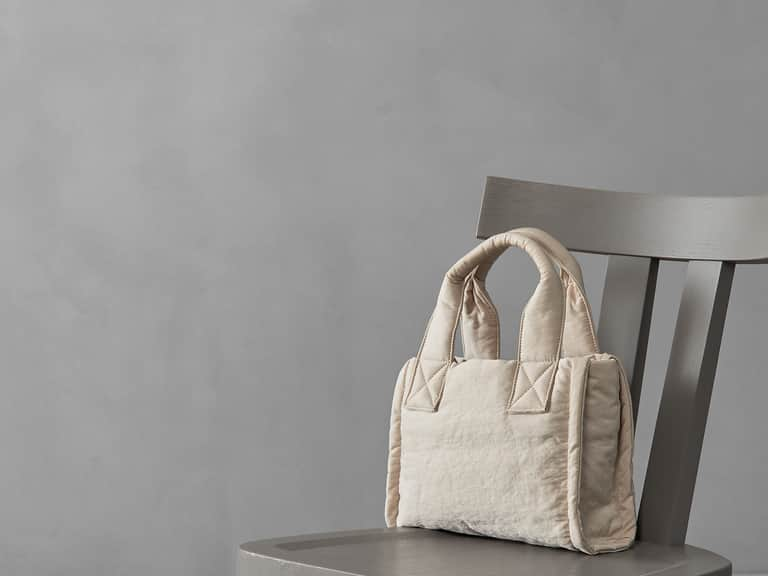
Vriz Bag
Nylon tote with padded interior and a versatile capacity.
Weight: 250 g/mq. Price: $315.00
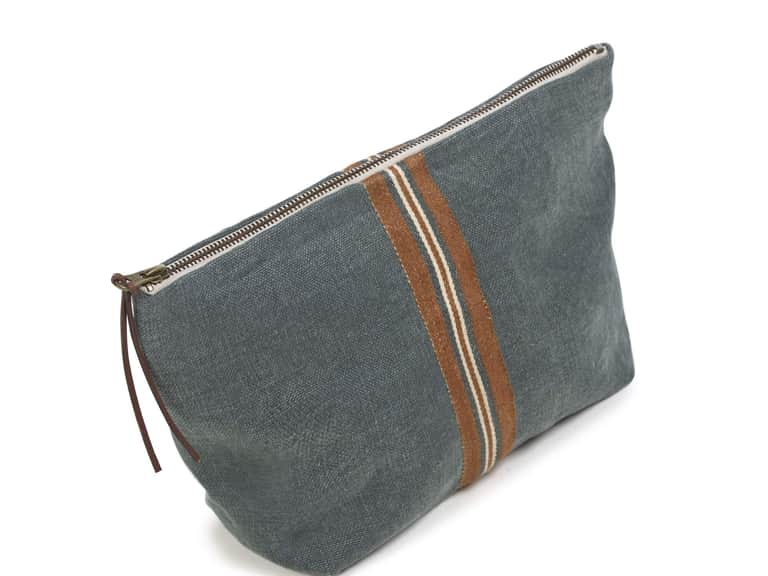
Atlas Cosmetic Bag
Linen trim, stonewashed finish; durable travel or desk organizer.
Price: $142.00
From Locker to Library: Translating Ergonomics into Study Life
Ergonomics is not only about a bag’s physical attributes; it informs daily study life. An ideally configured backpack acts as a daily companion that reduces fatigue, allowing students to spend more cognitive energy on learning and less on carrying burdens. Beyond weight and posture, the layout of study spaces, the tempo of classes, and the organization of digital materials all interact with how a student experiences the day.
The packaging mindset—how items are grouped, accessed, and reconfigured—parallels how we structure study time. A bag that supports quick retrieval of notes and devices encourages a smoother transition between topics and classrooms. A well-chosen rolling backpack is a quiet facilitator of focus, not a distraction.
Printables and Templates: Quick, Reusable Tools
Printable checklists and study planners turn theory into action. They anchor routines, making weight management, posture checks, and organization tangible. When students print a weekly packing checklist or a desk-ready study plan, they commit to habits that reduce strain and improve outcomes.
- Weekly study planner: blocks for class times, study sessions, and breaks to sustain energy and attention.
- Backpack packing list: a class-by-class checklist to ensure the essentials travel with you.
- Ergonomic quick-reference: simple cues for posture and breathing while studying and walking.
These templates align with the ongoing, iterative spirit of learning—an echo of the domain’s name, rollingbookbags.net, where momentum and resourcefulness drive progress.
Branding and Content Strategy: A Practical Learning Companion
The site’s identity should meld a pragmatic voice with a calm, study-focused aesthetic. The branding can echo the “rolling” motif as a metaphor for ongoing growth: a steady stream of guidance, checklists, and insights that roll through the school year. In practice, this translates to:
- Editorial tone: helpful, plain-language, evidence-informed with clear, actionable steps.
- Content formats: how-to guides, packing checklists, ergonomic tips, printable planners, concise infographics, short videos, and case studies from real students.
- Internal linking: connect ergonomic guides to product features (e.g., weight distribution to the Vriz Bag’s interior padding).
- Long-tail SEO: target phrases such as “rolling backpack ergonomics,” “study packing checklist,” and “back-to-school organizational tips.”
In this framework, the Silk Laundry Bag - Navy serves as a signal of premium, thoughtful design that complements practical study routines without turning the site into a retail catalog. The emphasis remains educational and resource-forward, with product references used to illustrate concepts rather than to drive sales alone.
Conclusion: A Practical Learning Companion for a Lifelong Pursuit
Educational outcomes are inseparable from the tools that accompany the learner. A well-chosen rolling backpack, paired with disciplined organization and ergonomic awareness, can transform a crowded school day into a sequence of efficient, meaningful moments. By weaving historical insight with modern design, we recognize that the act of carrying is itself a form of learning—an ongoing practice that evolves with each step.
As students roll from classroom to library, they carry more than books; they carry a method. The domains of knowledge, movement, and organization converge in a single, silent principle: preparedness reduces friction, focus multiplies, and curiosity persists when the way we learn is comfortable, purposeful, and well designed.