Campus organization
A Practical Guide to Choosing a Bag for Campus Days
A campus bag is more than a place to put books. It is a small piece of daily infrastructure: carrying what you need, protecting the items that matter, and helping you move between classes without adding unnecessary friction.
A useful choice begins with your actual routine—not a list of features that sounds impressive. Consider what travels with you, how far you walk, and what needs to be easy to reach.
Start with the day you really have
Some students leave home with one notebook and a tablet. Others carry textbooks, a laptop, lab materials, a water bottle, lunch, chargers, and a change of clothes. The right bag for one schedule may be awkward for another. Before comparing styles, take a quick inventory of what you regularly bring to campus.
Think beyond the largest items. A laptop may determine whether you need a padded sleeve, while loose pens, keys, earbuds, and an ID card can determine whether a bag’s smaller pockets are genuinely useful. If you spend long stretches away from home, space for food or a reusable bottle may matter as much as room for books. If you use campus lockers or return home between classes, a smaller bag may be easier to manage.
It helps to distinguish everyday essentials from occasional extras. A bag that accommodates every possible item can tempt you to carry more than the day requires. Choosing capacity around a typical schedule—and making occasional adjustments for special classes—keeps the load practical.
- List the items you carry on a normal day.
- Note which items are fragile, bulky, or used frequently.
- Identify occasional needs, such as sports clothes or project materials.
- Consider how long you are away from home and whether you can store items on campus.
Capacity: enough room, not a mobile storage closet
Capacity is often expressed in litres, but a number alone does not tell the whole story. Two bags with similar volume can behave very differently: one may be tall and narrow, another wide and open, while a third uses pockets and dividers to make its space more accessible. Shape and opening style affect whether books sit flat, whether a laptop fits securely, and whether small objects disappear at the bottom.
Consider the biggest item you carry. Check its dimensions against the bag’s usable interior, rather than relying only on an exterior measurement. A laptop compartment should fit the device without forcing it in, and a textbook should not need to be bent or wedged into place. If you regularly carry folders or a lunch container, make sure the layout leaves enough room for them alongside the main load.
Extra capacity is valuable when it supports a real routine: a long day of classes, a commute, or a club meeting after school. But a very large bag can encourage overpacking, feel cumbersome in a crowded lecture room, and be difficult to place under a desk. The practical target is a bag that fits the day’s essentials with a little room for variation, not one that must be filled to feel useful.
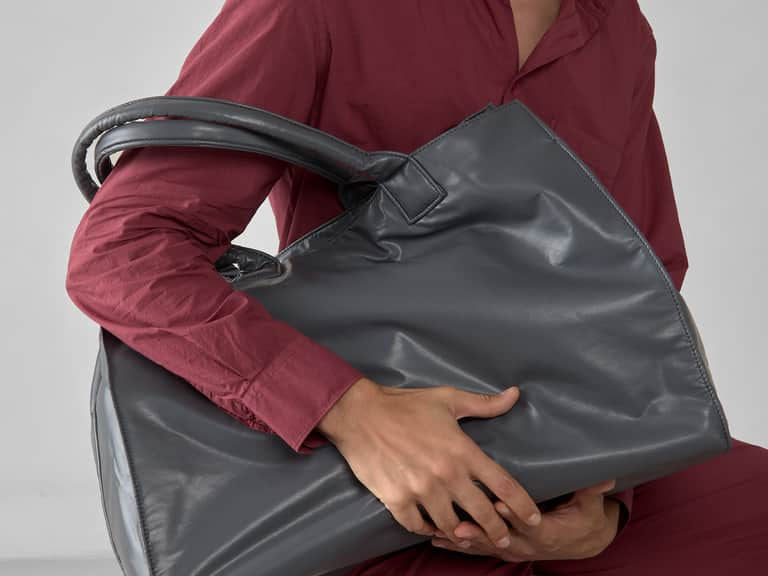
Check whether the bag remains stable when partly full. A flexible tote may be easy to load but can slump, making items harder to locate. A more structured design may help keep books upright and prevent smaller belongings from shifting. Neither construction is automatically better; the choice depends on what you carry and how much organization you prefer.
A compartment layout that saves time
Good compartments are not simply a greater number of pockets. They give belongings a predictable place and make frequently used items quick to retrieve. That can mean a separate sleeve for a laptop, a zipped pocket for keys, or a side pocket sized for a water bottle. The most useful arrangement is the one that matches your habits.
Separate electronics from heavier or irregular objects where possible. A padded device compartment can help reduce everyday knocks, while a barrier between a laptop and a stack of books prevents them from pressing directly against each other. Padding is not a substitute for careful handling, but it can add a useful layer of protection during ordinary campus travel.
Think about access, too. A pocket that is hard to reach while wearing the bag may be less helpful than it appears. Items used at the entrance to class—an ID card, transit pass, or phone—belong somewhere accessible without unpacking everything. Less frequently used supplies can sit deeper in the main compartment.
Small objects are especially prone to vanishing in a large, undivided interior. A zipped pocket or a compact organizer pouch can keep chargers, writing tools, and personal essentials together. If the bag itself has few built-in sections, a simple system of small pouches may create order without adding much weight.
- Device area: Look for a compartment that fits your laptop or tablet securely and has appropriate padding.
- Book space: A broad, accessible main section works well for notebooks, folders, and textbooks.
- Quick-access pocket: Use it for items you reach for repeatedly, such as keys or an ID.
- Side storage: Bottle pockets can help keep liquids separate from papers and electronics.
- Secure storage: A zipper or closure can help contain small belongings when you move through busy spaces.
Carrying comfort belongs on the checklist
A bag can have a clever layout and still be a poor companion if it is uncomfortable to carry. Strap width, adjustability, handle placement, and the way the bag sits against the body all matter. Comfort is especially important for students who walk between buildings, use public transportation, or carry materials for much of the day.
For a backpack, try adjusting both shoulder straps so the bag sits close to the body and does not hang unnecessarily low. A padded back panel may improve comfort, particularly when the contents include firm objects. For a shoulder bag or tote, consider whether the strap length works with your height and clothing, and whether the bag stays comfortably in place while walking.
How a bag carries is only one part of the equation; what goes inside matters just as much. A manageable load is easier to move with and simpler to organize. Place heavier items near the body where the design allows, and avoid letting dense objects collect at the far edge of a shoulder bag. If a typical day’s load feels difficult to carry, reassess what is necessary and whether you need a different carrying style.
Rolling bags may suit some people and settings, especially when a substantial load must travel over smooth, accessible routes. But wheels and a handle add structure and can be less convenient on stairs, uneven paths, or crowded corridors. Before choosing one, consider the terrain and transitions on your usual route, not just the weight it can hold.
No single style is best for every campus. A backpack distributes weight across two shoulders; a tote allows quick access but may concentrate weight on one side; a rolling bag reduces the need to carry a load but requires a usable path. Try the intended style with a realistic amount of weight, if possible, and pay attention to how it feels while walking, standing, and sitting.
Materials, construction, and everyday durability
Campus bags are opened, set down, pulled through doorways, and carried in changing weather. The fabric and construction should suit that repetition. Look for seams that appear secure, handles that feel firmly attached, and stress points that do not show obvious weakness. Smooth-running zippers and closures that align properly are small details with an outsized effect on daily use.
Material choice involves trade-offs. Nylon and polyester are common for practical bags and may be relatively lightweight; canvas can offer a sturdy, familiar feel but may be heavier, depending on its weight and construction. A recycled-fiber fabric may be a priority for some shoppers, while others may focus on ease of cleaning or resistance to abrasion. No material label guarantees a bag’s lifespan: stitching, lining, hardware, and how the bag is used all contribute.
Consider how the bag will handle light rain, spills, and dusty floors. A water-resistant surface or lining can help protect contents from incidental moisture, but it should not be treated as proof that a bag is waterproof. If you carry a laptop or important papers, use an additional protective sleeve or waterproof pouch when conditions call for it. A wipe-clean surface can also be useful when the bag is set down frequently.
Care instructions deserve a look before purchase. Some bags can be machine washed; others require spot cleaning or gentle handling. Regularly emptying crumbs and debris, wiping down the interior, and allowing a damp bag to dry fully can help keep it fresh. Follow the maker’s care guidance, particularly for coated fabrics, structured panels, and delicate trims.
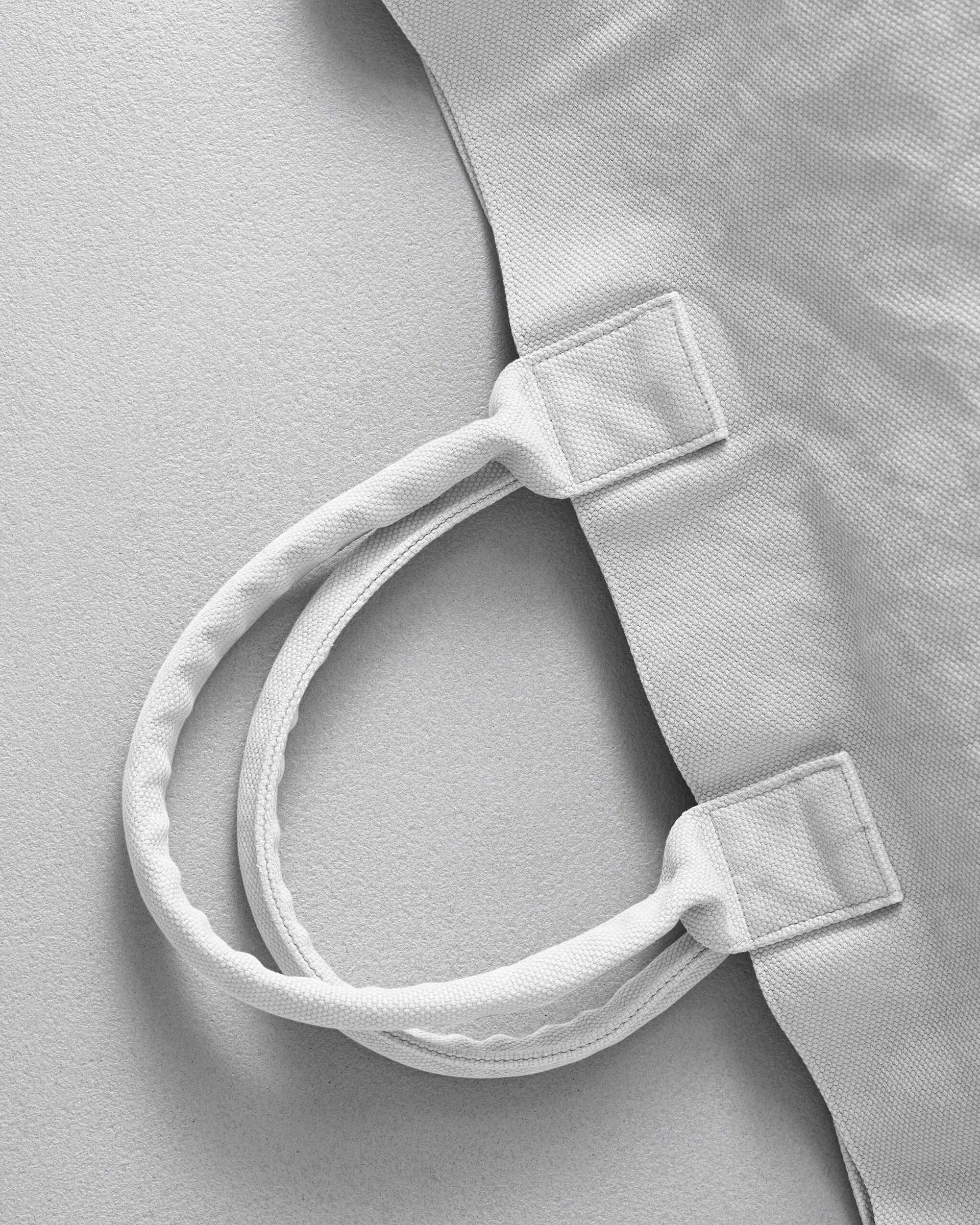
For a roomy, washable option, the [Drai Bag](/products/drai-bag-6820) is made from garment-dyed cotton canvas and is described as a spacious shopper for everyday and weekend use. Its open, zip-free design may suit someone who values a large, accessible interior, but students should consider whether they need a more secure closure or dedicated device protection. A separate sleeve or pouch can help organize items in an open tote.
Closures and protection for the things you carry
Closures shape both security and convenience. A full zipper helps contain belongings when a bag tips or moves through a crowded space. A snap or magnetic closure may allow quicker access, while an open top makes loading simple but leaves contents more exposed. Think about your commute, where you set your bag down, and whether you carry valuables or loose papers.
Weather protection is another practical question. Even if the main fabric handles a few drops, openings and seams may allow water through. A rain cover or a separate dry pouch can protect a laptop, notebooks, or printed assignments on wet days. Keep drinks upright where possible, and use a bottle pocket or sealed container rather than placing an open drink beside electronics.
For devices, fit and separation matter. A sleeve that is too large may allow a laptop to move around; one that is too tight can make packing difficult. If the bag has no dedicated technology compartment, a well-fitting padded sleeve can offer an independent layer of protection and make it easier to transfer a device between bags.
Match the bag to your campus routine
Campus life is not one uniform commute. A student who walks across a large campus may prioritize comfortable straps and a balanced load. Someone who rides a bus or train may want a compact shape and a closure that keeps belongings contained. A person moving between a studio, library, and work shift may need extra space for materials that change over the day.
Classroom conditions matter as well. In a tight lecture hall, a bulky bag can be difficult to place. A slim profile may fit more easily under a seat or desk, while a structured base can help it stand upright. If you use shared study spaces, a secure closure and an easily recognizable interior layout can make it simpler to keep track of personal items.
Consider whether your schedule changes from day to day. A modular approach can help: keep a small pouch for chargers and stationery, add a lunch container only when needed, and remove books that are not on the day’s schedule. The goal is not to build a perfect packing system; it is to make everyday departures less rushed.
Color and style can contribute to the decision, too, but they work best as finishing considerations. A bag that suits your taste is more likely to become a regular part of your routine. Start with comfort, capacity, and function, then choose a look that you will still want to carry after the first week of classes.
A quick campus-bag packing system
A simple routine can make a good bag work better. Pack the items you need for the day, then give each category a consistent place. Put books and folders in the main compartment, protect a device in its sleeve, and keep small essentials together. Store items needed at the start of a class near the opening or in an easy-access pocket.
At the end of the day, take a minute to remove what no longer needs to travel. Return borrowed books, discard old papers, and recharge devices at home if that is part of your routine. This small reset helps prevent the bag from becoming a repository for extra weight and makes the next morning easier.
Before leaving for campus
- Check the day’s schedule and pack only the books and materials you need.
- Place electronics in a secure compartment or protective sleeve.
- Keep keys, ID, and transit items in a predictable, accessible pocket.
- Separate food and liquids from papers and devices.
- Check that closures are secure and that the load feels manageable.
A straightforward way to compare options
When two bags seem equally appealing, compare them against the same set of everyday needs. A short list can clarify which features matter and which are merely attractive in a product description. If possible, inspect the bag in person: open every pocket, test the closures, and see how the straps feel when the bag contains a realistic load.
- Fit: Does the main compartment accommodate your largest regular item?
- Organization: Is there a practical place for devices, books, and small essentials?
- Comfort: Can you carry it in a way that feels suitable for your route and load?
- Construction: Do the seams, handles, and closures appear made for repeated use?
- Care: Can you maintain the material with the time and facilities available to you?
- Security: Does the opening suit your commute and the belongings you carry?
- Adaptability: Can it handle both a typical class day and occasional heavier days?
These checks make the decision less about chasing the most features and more about finding a dependable match. A bag that is easy to pack, comfortable to carry, and simple to maintain can quietly improve the rhythm of a busy day.
The best choice is the one that supports your day
Choosing a campus bag is a practical exercise in knowing your own routine. Begin with the books, devices, and everyday essentials you actually carry. Then weigh capacity against bulk, look for a compartment layout that keeps important items accessible, and assess materials and closures in light of the weather and wear the bag will face.
Comfort should remain part of the decision from the first comparison to the final test. A manageable load, suitable carrying style, and thoughtful packing habits often matter more than a long feature list. The right bag does not make campus life effortless, but it can make the movement between classes, study spaces, and the journey home feel more organized—and a little less complicated.